Ninety three minutes is all it takes to potentially change the way we shop for food, particularly for meat. Ninety three minutes is all it takes to explain how corn sweetener has sweetened up our lives and our waistlines. Ninety three minutes, no, the light dawns 'way before that - leaving us with four questions: what do we actually eat, how is it produced, who have we become as a nation and where are we going from here?
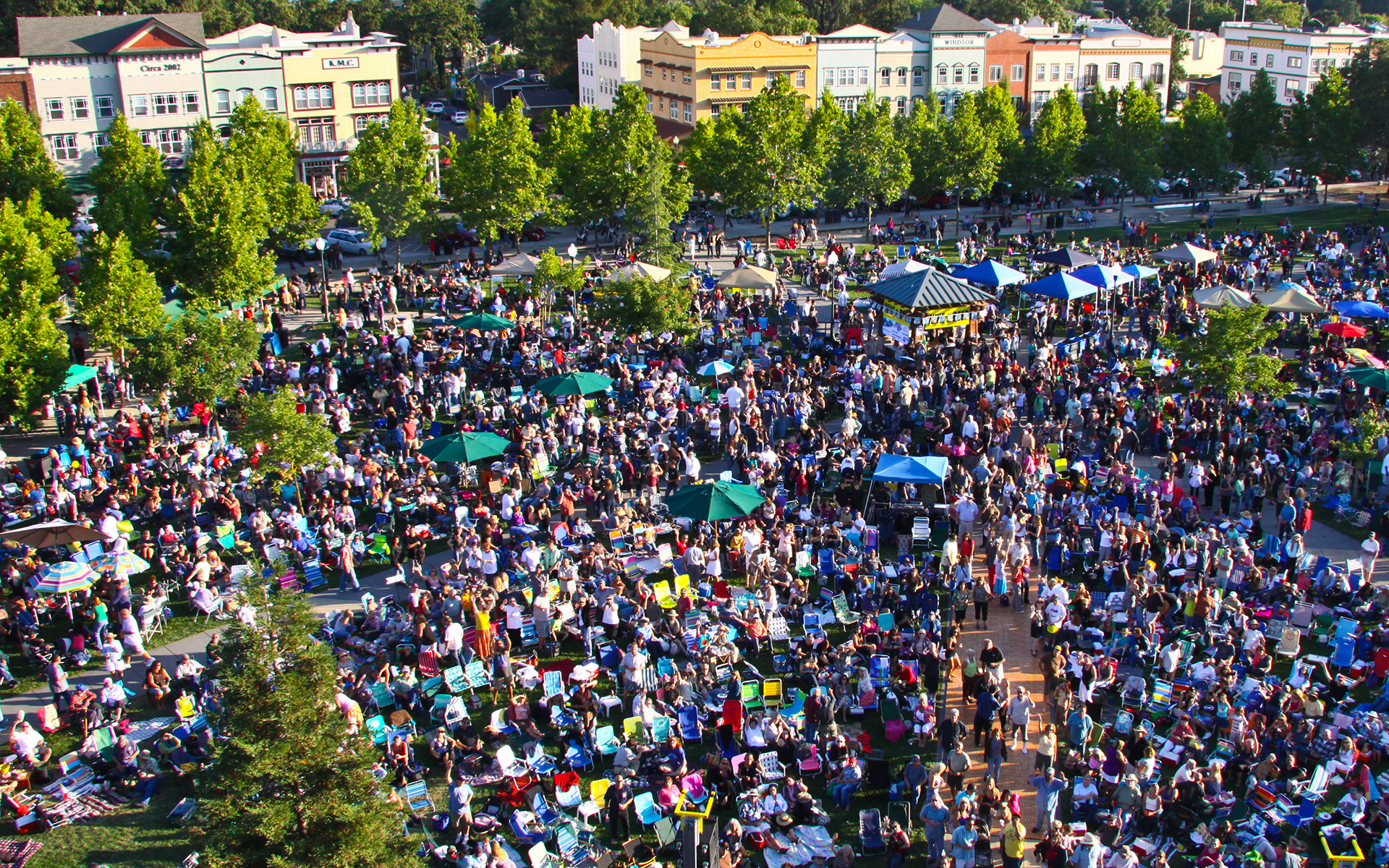
Glenda Castelli and the Windsor Farmers Market meeting featured a showing of the movie "Food, Inc" by filmmaker Robert Kenner. It is actually a horror film if you care about animals, the health and safety of your family, and the survival of small family farms, raising livestock or grains. Featured in the film are two food writers: Eric Schlosser, author of Fast Food Nation and Michael Pollan, author of Omnivore's Dilemma.
It would take my entire column to explain more details about the film. Suffice it to say that everyone should view this picture. The distribution contact listed on the internet is Magnolia Pictures located at 49 W. 27th Street, 7th Floor, NY, NY - 10001. Their website: www.magpictures.com.
I would like to address the chicken part. The manner in which pigs and steers are kept before slaughter has been publicized by the media before, but Food, Inc. manages to bring the viewer closer to the terror, forcing new awareness in formulating one of the questions: "what have we become?" I'll leave those animals to their doom allowing the reader to come to his and her own conclusions.
So, how important is a chicken, anyway? Well, from my perspective as a writer of a loosely described "farm column," the simple chicken is simply the most favored topic by all my readers over twenty years. Whatever and whoever I feature in a story, all I have to do is put in an adventure involving our chickens and folks respond.
Food, Inc's presentation is about Alabama's giant poultry farms raising meat chickens for a big commercial processor (part of the horror story). It is tragic to see them packed into huge, dark sheds with no quality of life. They are one big sea of white feathers set on legs whose only purpose is to grow as fast as they can, get slaughtered, and make room for more chickens. The baby chicks that populate these houses are tumbled off conveyor belts and never set feet on grass or feel the sun’s rays on their heads, let alone be allowed to follow their own unique chicken whim.
In stark contrast, here's a story about one of our chickens and the direction she took, all on her own, with persistence.
We've always called her the "Roadrunner hen." She came to us with a mate, a beautifully feathered fellow who was also "Roadrunner-like." Unlike most of the pudgy Rhode Island Red variations, these two could fly over the chicken wire yard, landing in the backyard where the Schipperkes run. (Reminder: Schipperkes are small, terrier-type black dogs and there are four of them on this farm - two here and two from our son's place and the dogs are all one family so they visit often and so do the people.)
They seemed to know NOT to fly out when all the Schipperkes were assembled, only when our two were there. Apparently two small dogs do not a pack make in the eyes of the Roadrunners. Alas, one day we noticed that the male was missing. We hope he found a good home and didn't land in a hawk's nest. The female continued to escape the chicken yard daily and fly back in at dusk, enjoying the safety of the closed chicken house for the evening.
"You know, we never saw the white roadrunner at night," said our son, Martin, who locked up the fowls during our trip to Oregon a few weeks ago. The other day we discovered why.
"There's a little chick or maybe two with the white roadrunner hen in the garden," said Joel, with a look of amusement in his eyes.
"Really!!!" I replied.
We went to investigate. Scratching in the spring grass beneath our nectarine trees, we could see a happy, busy hen intent upon finding a beetle or a worm, and bustling around her were nine equally busy fuzzy chicks, following their mama's lead.
How did she hatch them without the Schipperkes and the rats finding them? And, where did she have her nest? Does she realize she is the ONLY hen to ever hatch chicks in 32 years? Previously we learned that setting hens quit setting long before hatch in the busy environment of a chicken house, so we concluded that she kept her nest hidden until they all hatched out, probably in the old, abandoned chicken coop.
We knew they weren't safe in the open garden. They were perfect bite size for a chicken hawk, cat, or little black dog.
I think mama hen understood the need for protection. She allowed three of us to "herd" her and the chicks into the screened yard after all the other birds were in the hennery. From there, we corralled her through the door to the chicken house and with the aid of a ramp, the chicks followed. In the morning before light, we found her setting by the door with all the chicks gathered under her, warm and cozy. We picked her up, placing her into a large caged area where she became quite alarmed until all the chicks scampered in. Then, surrounded by fresh straw, clean water and feed, she settled into the comfort and safety of a new home. Each night her brood disappears under her widened wings and there is no need for heat lamps. They are now two weeks old and all nine are as cute as baby chicks!
Keep those nine and their mama in mind as you watch "Food, Inc". We know with certainty that she would have defended her brood with her life in the garden, when a weasel or possum arrived. The courage and devotion of a chicken has no witness in that Alabama poultry shed.